
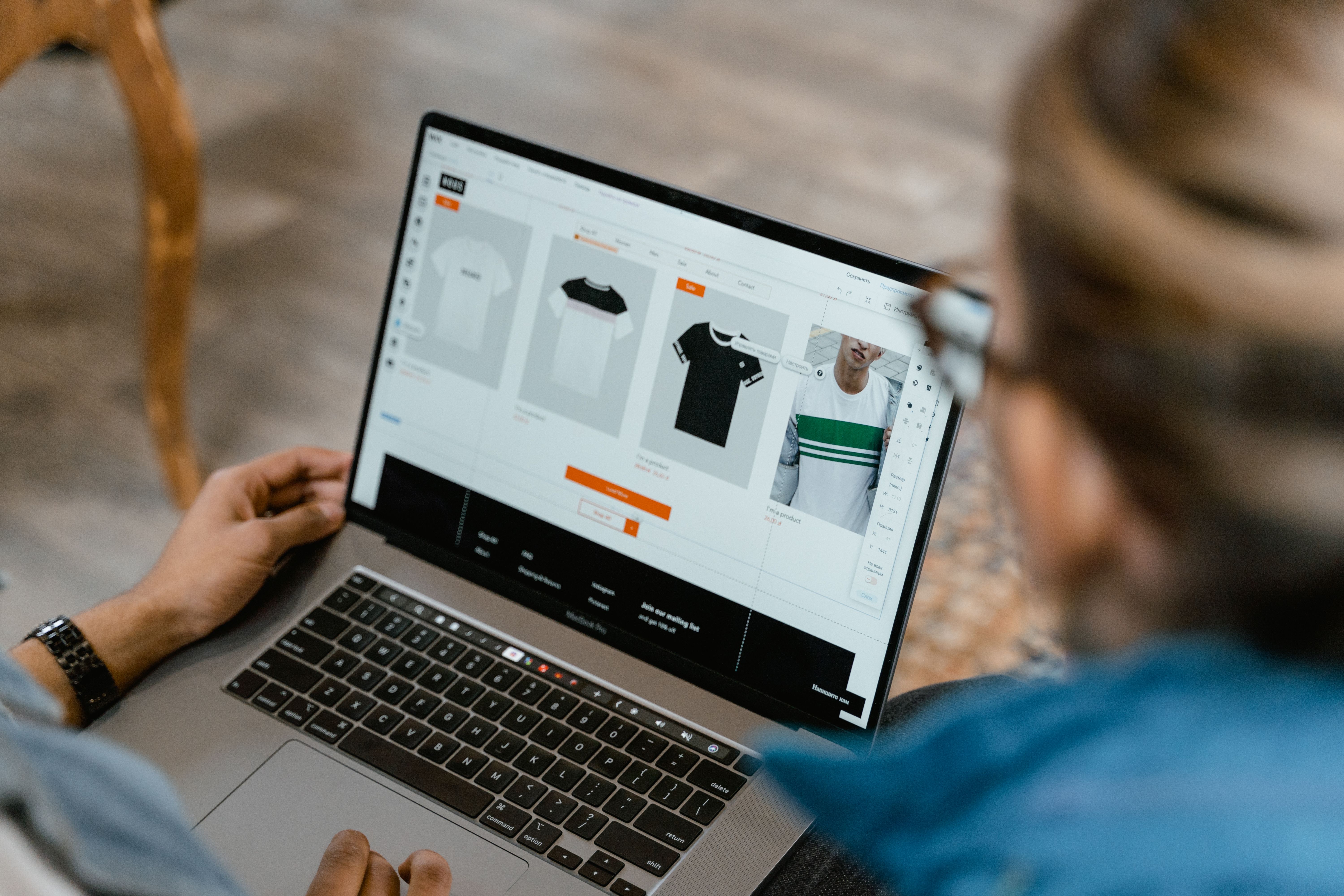
Shopify product pages can do more than present items for sale. When they are built with search intent, clear content and strong technical foundations, they can help an online store earn more organic visibility and attract more relevant visitors.
For Backlink Works Insights, this means looking beyond titles and meta descriptions. Effective Shopify SEO for product pages involves category structure, internal linking, mobile usability, page speed, schema markup, duplicate content control, and user experience that supports both discovery and conversion.
Why Shopify product page SEO matters
Product pages are often the final step before purchase, but they also play a major role in how search engines understand your store. If a page is thin, duplicated, poorly linked or hard to crawl, it may struggle to rank for the terms shoppers use when they are ready to buy.
In ecommerce SEO, product page optimisation should work alongside category page SEO and broader online store SEO. Category pages often target wider commercial keywords, while product pages can capture more specific searches, branded terms and long-tail queries. A strong structure helps both page types support organic traffic growth.
It is also worth remembering that SEO results depend on site quality, product demand, competition, technical setup, content quality, user experience and consistent optimisation. Well-optimised pages give you a better base, but they do not create guaranteed rankings.
Build product pages around search intent
Good ecommerce keyword research starts with understanding how people search for a product. A Shopify product page should target one clear primary intent, such as a model name, product type, colour, size or material, without stuffing every possible variation into the copy.
Use keyword themes to guide the page rather than forcing exact-match repetition. For example, a product page for a running shoe might naturally mention cushioning, size options, terrain, fit and intended use. This supports relevance while keeping the writing readable and useful.
Shopify store owners should also think about category page SEO. If several product pages compete for the same broad keyword, the category page may be a better target. Use the product page for detailed, specific intent and link it back to the relevant collection.
Write product descriptions that help users and search engines
Product descriptions should explain what the item is, who it is for, and why it matters. Clear product descriptions improve user confidence, reduce uncertainty and help search engines understand page context.
A useful description often includes the main benefit, key features, dimensions or materials, compatibility details and practical use cases. For example, instead of repeating a supplier’s generic copy, write in your own words about fit, care instructions, performance and any common questions shoppers may have.
This is also where duplicate product content becomes a problem. Many stores use manufacturer descriptions across multiple pages, which can limit differentiation. Unique content is usually more helpful for both SEO and ecommerce conversions.
Keep copy concise where needed, but avoid making the page so brief that it offers little beyond a title and price. Search engines need context, and shoppers need clarity.
Strengthen technical SEO, schema and crawlability
Shopify technical SEO supports how easily search engines crawl, index and interpret your store. Start with clean URL structures, accurate canonical tags, and a sensible hierarchy that reduces duplication across variants and filters.
Product schema markup can help search engines understand important page details such as price, availability, reviews and product attributes. Shopify themes often support structured data, but it should be checked carefully rather than assumed to be complete. For guidance on structured data formats, Google’s SEO Starter Guide is a useful reference.
Faceted navigation is another common ecommerce issue. Filters for size, colour, brand or price can create many URL combinations, which may lead to crawl waste or duplicate content if not managed properly. Use noindex, canonical rules or selective indexation where appropriate, depending on the store structure.
Technical checks should also cover out-of-stock product SEO. If a product is temporarily unavailable, keep the page live when possible, explain the status clearly and suggest alternatives. Removing useful pages too quickly can lose hard-won relevance and internal links.
Improve speed, mobile usability and Core Web Vitals
Mobile ecommerce SEO matters because many shoppers browse and buy on phones. A product page should load quickly, display clearly on smaller screens and make it easy to tap images, size selectors, add-to-cart buttons and delivery information.
Core Web Vitals are useful signals to monitor, but they should be seen as part of wider user experience rather than a standalone ranking tactic. Page speed, layout stability and responsiveness can influence how smoothly shoppers move from product discovery to purchase.
On Shopify, speed often improves when stores use fewer heavy apps, compressed images and streamlined themes. If you want to test page performance, Google’s PageSpeed Insights can help identify common issues without turning optimisation into guesswork.
Better speed does not guarantee higher rankings or conversions, but it can support both when combined with relevant content and a trustworthy product experience.
Use internal linking to support product discovery
Ecommerce internal linking helps search engines find important pages and helps users move through the store in a more natural way. Product pages should link to relevant collections, related products, buying guides and FAQs where helpful.
This is especially useful for Shopify stores with many similar products. If a product has variations, accessories or complementary items, linking them together can improve discovery and encourage broader browsing. It also strengthens topical relevance across the site.
Category pages should not be ignored here. A well-optimised collection page can pass context to product pages, while product pages can feed relevance back into collections. This structure is particularly important for larger ecommerce sites where crawl depth can become an issue.
For stores that also use link building as part of a broader SEO strategy, Backlink Works offers educational resources on website growth and visibility, which can complement internal optimisation when used appropriately.
Support organic traffic with content and trust signals
Organic traffic growth for online stores depends on more than keywords. Product pages should also build trust through clear pricing, delivery details, return information, reviews where genuine, and transparent product information.
Conversion outcomes depend on traffic quality, pricing, offer, trust signals, product clarity, page speed, reviews, checkout experience and testing. That means product page SEO and ecommerce user experience should work together, not compete for attention.
Content strategy can support this by adding helpful sections such as usage tips, sizing guidance, comparison notes or answers to common concerns. These additions make the page more useful without drifting into filler or keyword stuffing.
If your store includes a blog or buying guide section, link naturally from educational content to relevant collections and products. This can support both category page SEO and product discovery while helping shoppers make better decisions.
Conclusion
Shopify SEO best practices for product pages are about making each page easy to understand, useful to shoppers and accessible to search engines. That means unique product descriptions, a clear keyword focus, structured data, fast mobile-friendly design, sensible internal linking and careful control of duplicate or faceted URLs.
When these elements work together, they can improve product visibility and support organic traffic growth over time. The best results usually come from consistent optimisation, solid technical setup and a store experience that makes sense for real users, not just search engines.
Frequently Asked Questions
Should every Shopify product page target a different keyword?
Yes, ideally each page should focus on a distinct search intent to avoid overlap and make the content more useful.
Is product schema necessary on Shopify?
It is not mandatory, but it can help search engines understand key product details such as price and availability.
How do I handle duplicate product content?
Write original descriptions, use canonical tags correctly and avoid copying supplier text across multiple pages.
What is the biggest SEO mistake on product pages?
One common mistake is creating thin pages with little information, weak internal linking and no clear user value.
- Sponsored Ad -





