
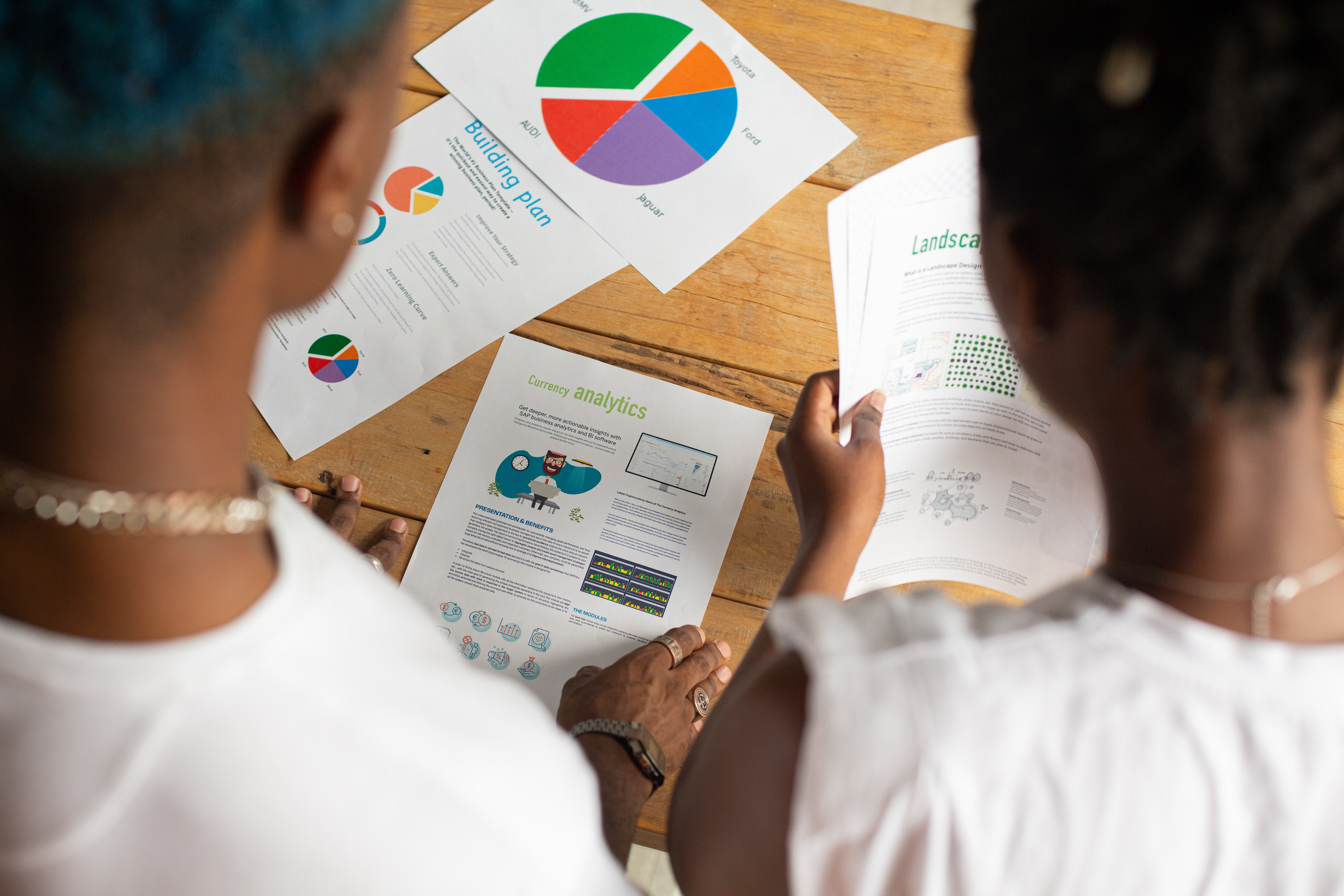
Small business social media management is no longer just about posting regularly. It is part of a wider digital marketing system that can support website traffic growth, brand visibility, lead generation, and customer trust when it is planned properly.
For small businesses, the main challenge is usually not whether to use social media, but how to use it in a way that supports business goals. A practical approach connects social media content with SEO, email marketing, website conversion, and measurable performance rather than treating it as a separate task.
What Social Media Management Means for Small Businesses
Social media management covers planning, creating, publishing, monitoring, and improving content across platforms such as Instagram, Facebook, LinkedIn, TikTok, and X. For small businesses, it should do more than build awareness. It should help attract the right audience, guide people to your website, and support customer acquisition.
That means thinking beyond likes and followers. A useful strategy links social media posts to landing pages, blog content, product pages, enquiry forms, and email sign-ups. If your website is the centre of your marketing, social media should act as a traffic and trust-building channel.
Backlink Works often emphasises that digital visibility works best when different channels support one another. Social media, search visibility, content marketing, and website optimisation are strongest when they share the same message and goal.
Build a Simple Strategy Before You Start Posting
A common mistake is posting without a plan. A small business does not need to be on every platform. It needs a clear online marketing strategy based on audience behaviour, resources, and business objectives.
Start by answering three questions: who you want to reach, what action you want them to take, and which platform suits that audience best. A local service business may benefit from Facebook and Google Business Profile activity, while a B2B consultant may find LinkedIn more useful. Ecommerce brands often need a mix of short-form video, product highlights, and retargeting ads.
Set one primary goal for each channel. For example, one platform may focus on website traffic, another on lead generation, and another on brand visibility. This makes it easier to measure what is working.
Useful planning basics
Create a simple content calendar. Include educational posts, customer questions, behind-the-scenes content, product or service highlights, and seasonal offers. Keep the tone consistent with your brand and website messaging.
If you need support with broader search and content planning, the free website SEO audit from Backlink Works can help you spot technical and content gaps that affect visibility.
Use Content Marketing to Support Social Media Performance
Social media content should not exist in isolation. It works better when it is part of a wider content marketing approach. Blog posts, guides, case studies, FAQs, product pages, and videos can all be repurposed into platform-friendly content.
For example, a blog article about choosing the right service package can become a short LinkedIn post, a carousel, a reel, and a newsletter summary. This saves time and keeps your message consistent across channels. It also creates more pathways back to your website, which supports organic growth and conversion opportunities.
Good content also builds trust. People are more likely to enquire or buy when your social content answers real questions, explains your offer clearly, and demonstrates useful expertise. That is especially important for small businesses with limited brand recognition.
Connect Social Media with SEO and Website Growth
Social media is not a direct ranking factor, but it can support SEO-driven marketing in useful ways. Strong content can increase branded searches, attract links naturally, and bring visitors to pages that are optimised for conversion and search intent.
When you share blog content or landing pages, make sure the destination page matches the promise of the post. If the page is slow, unclear, or difficult to use on mobile, engagement may drop. Website traffic only becomes valuable when the page experience supports the next step.
It also helps to use consistent keywords, topics, and language across your website and social channels. This creates a stronger brand message and supports online visibility across search and social discovery.
For search and page performance tracking, tools such as Google Search Console can help you understand how people discover your content and which pages deserve more attention.
Track the Right Metrics and Improve What Matters
Marketing analytics should guide your decisions. Vanity metrics can be useful for context, but they do not tell the whole story. A small business should pay closer attention to reach, engagement quality, link clicks, website sessions, enquiries, conversions, and return on effort.
Different goals need different metrics. If your goal is awareness, look at impressions and reach. If your goal is lead generation, look at form submissions, calls, messages, and landing page conversions. If your goal is ecommerce sales, track product clicks, add-to-cart actions, and completed purchases.
Use analytics to test content types, posting times, captions, hooks, and calls to action. Small changes can improve performance over time, but results usually depend on consistency and ongoing optimisation rather than one-off posts.
Practical best practices
Keep your profile details accurate, especially your website link, services, opening hours, and contact information. Use clear calls to action. Avoid overcrowding posts with too many messages. And review performance regularly so you can focus on content that supports business visibility and conversions.
Where Paid Social and PPC Fit In
Paid social media and PPC can help small businesses expand reach faster than organic posting alone, but results depend on targeting, budget, landing page quality, offer relevance, competition, and tracking. Paid promotion works best when it supports a clear campaign objective rather than trying to do everything at once.
Use paid ads to amplify your best content, retarget website visitors, promote lead magnets, or support time-sensitive offers. For example, a service business might run a lead generation campaign to a focused landing page, while an ecommerce brand might promote a product collection to a defined audience segment.
If you are running Google Ads or social ads, make sure the landing page is relevant, mobile-friendly, and designed to convert. Good ad copy alone is not enough. The full path from impression to enquiry or sale matters.
For further learning on ad strategy and visibility, Google’s official SEO Starter Guide is also useful for understanding the relationship between content, search visibility, and site quality.
Common Mistakes to Avoid
Many small businesses waste time by posting without a clear objective, using the wrong platform, ignoring comments, or sending traffic to weak pages. Others focus too heavily on promotion and forget to build trust through helpful content.
Avoid misleading claims, spammy engagement tactics, fake reviews, and mass messaging. These approaches can harm your online reputation and reduce trust. It is usually better to build credibility slowly through useful content, transparent messaging, and consistent interaction.
Another frequent issue is treating social media as separate from the rest of digital marketing. The strongest results usually come when social, SEO, email marketing, and website optimisation work together.
Conclusion
A practical social media management guide for small business marketing starts with clear goals, relevant content, and a realistic publishing plan. Social media should support your wider digital marketing strategy by improving visibility, driving website traffic, generating leads, and strengthening trust.
When you combine social content with SEO, analytics, conversion-focused pages, and selective paid promotion, you create a more complete system for business growth. The key is consistency, useful content, and continuous improvement rather than chasing quick wins.
Frequently Asked Questions
How often should a small business post on social media?
There is no single rule. A sustainable schedule that you can maintain consistently is better than posting too often and losing quality.
Which social media platform is best for small business marketing?
It depends on your audience and goals. Choose the platform where your customers already spend time and where your content format fits best.
Can social media help with SEO?
Yes, indirectly. Social media can increase visibility, traffic, branded searches, and content reach, which can support broader SEO efforts.
Should small businesses use paid ads as well as organic social media?
They can, if the budget and tracking are in place. Paid ads work best when they support a clear offer and a well-optimised landing page.
- Sponsored Ad -





