
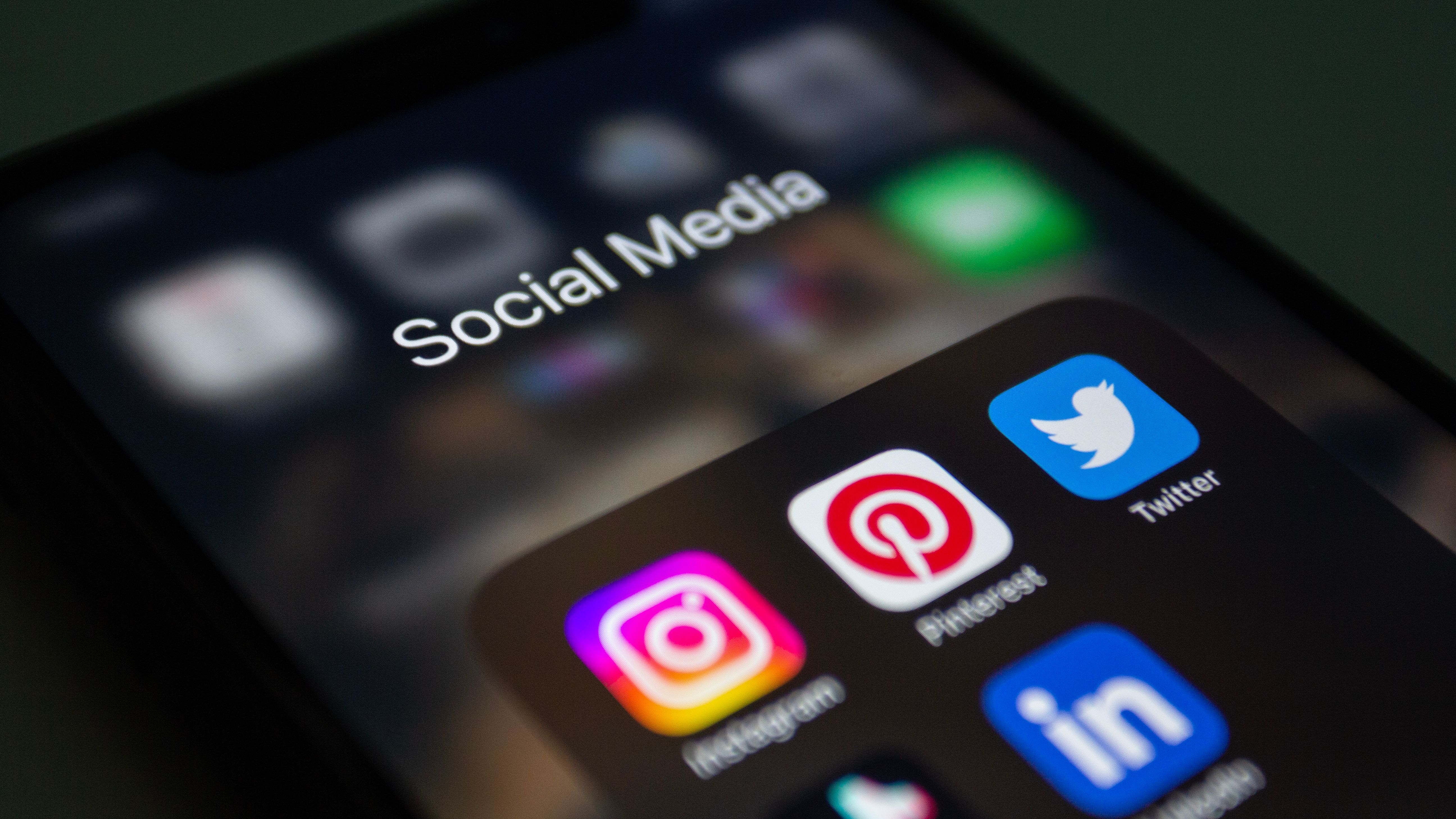
Social proof plays a quiet but powerful role in digital marketing. When people see that others trust a brand, engage with its content, or recommend its services, they are more likely to take notice themselves. That can influence how users interact with a website, how long they stay, and whether they decide to enquire, subscribe, or buy.
From an SEO and online visibility perspective, social proof does not replace solid optimisation, but it can support it. Reviews, testimonials, user-generated content, expert mentions, case studies, and community engagement can strengthen trust signals, improve click-through rates, and help websites convert more of the traffic they already receive.
What Social Proof Means in Digital Marketing
Social proof is the evidence that other people value a brand, product, or service. In practical terms, it can include customer reviews, star ratings, testimonials, social media engagement, media mentions, case studies, client logos, and forum discussions. It can also appear in more subtle ways, such as active comment sections, share counts, or a strong brand presence across channels.
For website owners, social proof matters because people rarely make decisions in isolation. They compare options, scan for credibility, and look for signals that reduce uncertainty. A website that shows genuine proof of trust tends to feel more established and easier to act on.
This is particularly relevant for service businesses, ecommerce brands, local companies, consultants, and startups trying to build early confidence. A strong website growth strategy should not rely on design and keywords alone. It should also make trust visible.
How Social Proof Supports SEO
Social proof does not directly replace technical SEO or content marketing, but it can contribute to better organic performance in several ways. When visitors trust a page, they are more likely to stay longer, explore more pages, and complete actions that matter. Those behavioural outcomes may support a better overall user experience, which is a key part of modern SEO.
It can also improve search visibility indirectly through stronger brand recognition. When people repeatedly see your brand mentioned on social media, in reviews, or in other places online, they may be more likely to search for it directly. Branded search can be a valuable sign of awareness and demand.
Content that includes authentic proof points may also be more useful and link-worthy. For example, a guide that references a real process, verified customer feedback, or insights from a product demo often feels more credible than generic advice. If you are building links as part of a broader strategy, resources like the Backlink Works guide to backlink building can help you understand how authority and trust-based signals fit into website growth.
For teams focused on organic growth, it is helpful to audit both content quality and trust signals together. A useful starting point is a free website SEO audit, especially if you want to assess how your pages perform for users as well as search engines.
Why Social Proof Can Increase Traffic and Engagement
Social proof often improves traffic quality rather than simply boosting raw visits. When your messaging is clearer and your proof is visible, the visitors you attract are more likely to be relevant to your offer. That matters for lead generation, ecommerce marketing, and local business marketing alike.
For example, a landing page with specific testimonials can help visitors understand who the offer is for. A product page with honest reviews can reduce hesitation. A blog post that includes customer examples, expert commentary, or community feedback may keep readers engaged for longer. These actions can support website traffic growth by improving the value of each visit.
Social media marketing also plays a role. Shares, comments, and saves can expose your content to new audiences. While social engagement is not a direct ranking factor in the way many people assume, it can still widen reach, increase brand visibility, and send more interested users to your site.
Email marketing benefits too. Including testimonials, case snippets, or user stories in newsletters can improve response rates because recipients see that others have already taken action. In ecommerce, social proof near key conversion points can help shoppers move from browsing to purchase. In B2B or service marketing, it can help turn casual interest into qualified enquiries.
Social Proof and Conversion Optimisation
Conversion optimisation is where social proof often has its most obvious effect. If a page gets traffic but does not convert, the issue may not be visibility alone. It may be trust, clarity, or relevance. Social proof can address all three when used well.
Place proof where it supports decision-making. On a homepage, that might mean client logos, a short value statement, and a few trustworthy testimonials. On a service page, it may mean case studies, industry-specific feedback, or before-and-after outcomes described clearly and honestly. On a checkout page, it could be delivery reassurance, return information, or customer reviews.
For paid campaigns such as Google Ads or PPC, social proof can improve the effectiveness of the landing page, but results still depend on targeting, budget, competition, the offer, tracking, and ongoing optimisation. A strong ad may bring clicks, but the page must answer doubts quickly if you want those visits to become leads or sales.
If you want to see how trust signals are handled in a wider marketing framework, it is worth reviewing a practical SEO and growth approach from the Backlink Works homepage alongside your own analytics and conversion data.
Best Practices for Using Social Proof Well
Social proof works best when it is specific, believable, and relevant to the page. Generic praise is less persuasive than detailed feedback that reflects a real experience. The goal is not to overwhelm visitors with claims, but to make it easier for them to trust what they are seeing.
Here are a few practical best practices:
- Use genuine testimonials with context, such as the service used or the type of problem solved.
- Show proof near key decision points, not only on a separate testimonials page.
- Keep reviews and case studies current so they reflect your present offering.
- Use customer language where possible, but edit only for clarity, not meaning.
- Combine social proof with strong calls to action and clear next steps.
- Track results in analytics so you can see which proof elements improve engagement or enquiries.
Avoid fake reviews, manipulative claims, or selective editing that changes the meaning of feedback. Trust is one of the main reasons social proof works, and misleading tactics can damage online reputation instead of improving it.
Measuring the Impact on Brand Visibility and Growth
Social proof should be measured like any other marketing activity. Look at metrics such as organic click-through rate, engagement time, enquiry submissions, assisted conversions, branded search growth, and social referral traffic. In ecommerce, monitor add-to-cart behaviour, checkout progression, and review engagement. In local business marketing, pay attention to calls, direction requests, and contact form completions.
Marketing analytics can also help you spot which proof formats work best. A short quote may perform well on a service page, while a case study may be stronger for a B2B audience. User-generated content may help with social media marketing, while ratings and reviews may matter more for product pages and local listings.
If you use AI marketing tools or automation, keep the human element intact. AI can help organise testimonials, summarise feedback themes, or identify common objections, but real credibility still comes from authentic customer experience. Pair that with a clear content strategy and consistent SEO-driven marketing, and social proof becomes part of a broader system for website growth and customer acquisition.
Conclusion
Social proof improves SEO, traffic, and brand visibility by making a website more trustworthy, more engaging, and more persuasive. It supports organic search efforts, strengthens paid campaigns, and helps visitors feel more confident about taking action. Used properly, it becomes part of a wider digital marketing strategy that supports visibility, lead generation, and long-term business growth.
The key is to use genuine proof, place it thoughtfully, and measure what happens next. Whether you run an ecommerce store, a local service business, a consultancy, or a content-led brand, social proof can help turn attention into meaningful action when combined with strong SEO, quality content, and a clear conversion path.
Frequently Asked Questions
Does social proof directly improve SEO rankings?
Not directly in a simple one-step way, but it can support SEO by improving engagement, trust, and branded search behaviour.
What types of social proof work best on websites?
Customer reviews, testimonials, case studies, ratings, client logos, and user-generated content are all useful when they are genuine and relevant.
Can social proof help with Google Ads and PPC?
Yes. It can improve landing page credibility and conversions, although results still depend on targeting, budget, offer quality, and optimisation.
How should small businesses start using social proof?
Start with a few authentic testimonials, place them near key calls to action, and track how they affect enquiries, sales, or engagement.
- Sponsored Ad -





