
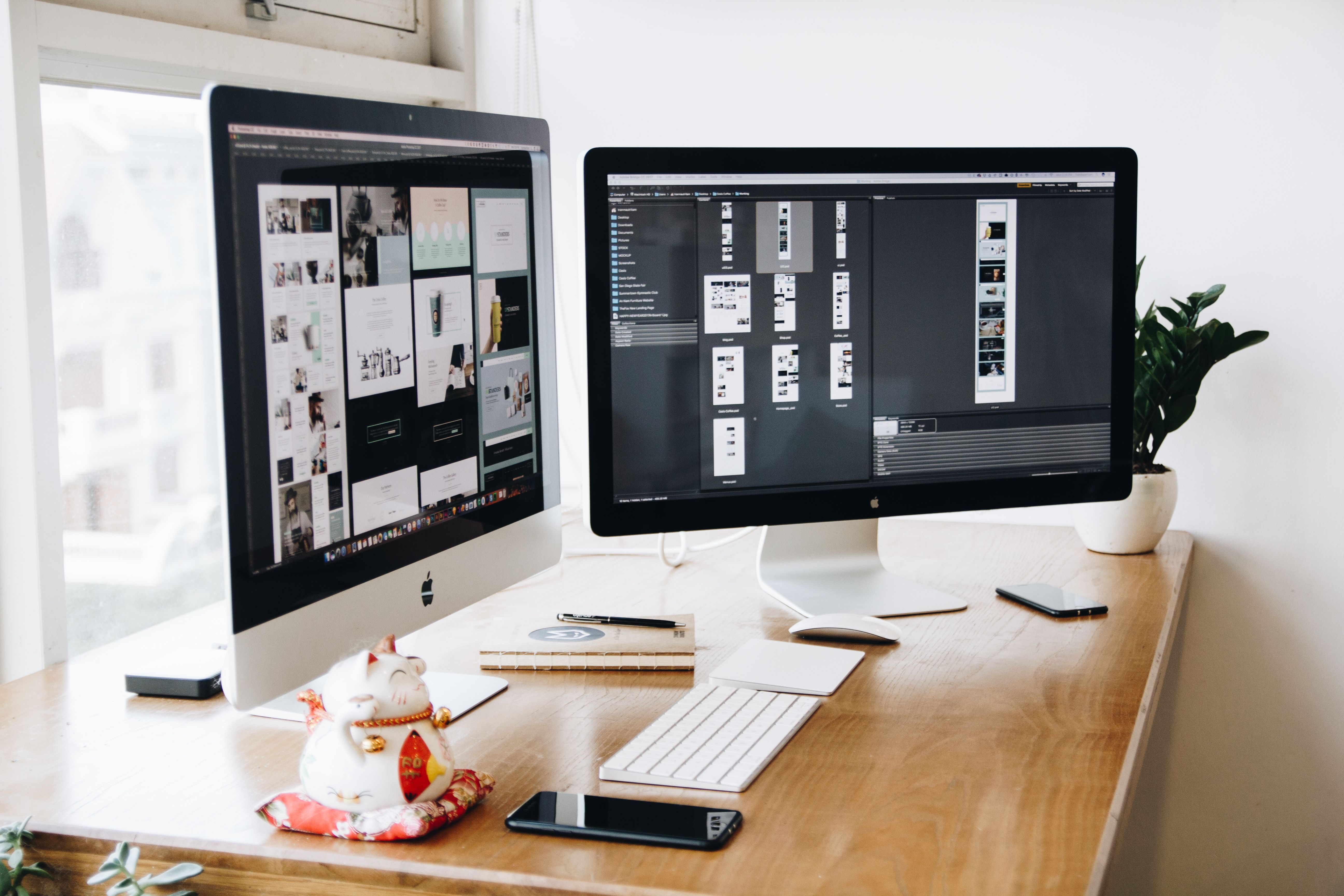
Designing a website is not only about how it looks. The structure, layout, navigation, and content hierarchy all influence how easily people can use the site and how well search engines can understand it. For that reason, UI and UX design should work together with SEO from the start, rather than being treated as separate tasks.
A well-structured website helps visitors find information quickly, supports mobile usability, improves accessibility, and makes content easier to crawl and interpret. That does not guarantee better rankings or conversions, but it does create the conditions for stronger search visibility, smoother user journeys, and more reliable performance over time.
What SEO-friendly website structure means in practice
SEO-friendly website structure refers to how pages are organised, linked, named, and presented so that both users and search engines can navigate the site with ease. A good structure usually starts with a clear hierarchy: homepage, main category or service pages, supporting subpages, and content that answers specific questions.
This matters because search engines use links and page relationships to understand what your site covers. Users also depend on structure to know where they are, what to do next, and where to find supporting information. If pages are buried too deeply, overlap in purpose, or use vague labels, both usability and crawlability can suffer.
Keep the hierarchy simple
Use a structure that reflects how your audience thinks. For a service business, that might mean separate pages for each service, a trust-building about page, a contact page, and supporting guides. For ecommerce, it may include category pages, product pages, filtering, and clear paths back to broader collections.
If you are planning a WordPress site, it is worth mapping this hierarchy before choosing a theme or builder. WordPress can support many content types, but the site still needs a logical architecture to avoid clutter and duplication. If your team needs a broader SEO starting point, a free website SEO audit can help highlight structural issues that affect visibility and usability.
UI and UX choices that support search visibility
User interface and user experience design shape how visitors interact with a page. Search engines do not rank a site based on visual style alone, but design can affect behaviour signals indirectly through clarity, engagement, accessibility, and task completion.
Useful UI begins with consistency. Buttons should look like buttons, links should be easy to identify, and headings should guide the eye through the page. UX improves when content answers the most important question first, followed by details, proof, and next steps. This is especially useful on landing pages, service pages, and product pages where users want quick reassurance.
Make actions obvious
Each page should have one primary goal. That might be to enquire, book a call, buy a product, or read the next article. Supporting actions are fine, but they should not compete with the main task. Clear labels such as “Request a quote” or “Add to basket” are better than vague prompts that make people guess.
Conversion-focused design depends on trust, message clarity, and audience intent. Design can support that, but results also depend on the strength of the offer, the quality of the copy, and how well the page matches what the visitor expected to find.
Mobile-first and responsive design are essential
Most websites are now used on phones as well as larger screens, so mobile-first design is no longer optional. Start with the smallest screen and make sure content, navigation, forms, and calls to action remain usable without pinching, zooming, or excessive scrolling.
Responsive design should not mean simply shrinking desktop layouts. It should adapt spacing, typography, buttons, images, and content order so that the page still feels intentional on mobile. This is important for SEO because mobile usability affects how people experience the site, and because pages that are hard to use often lead to weaker engagement.
Design for touch, not just clicks
Buttons need enough space around them for touch use. Menus should be simple, and forms should avoid unnecessary fields. On ecommerce sites, filters and product cards should remain easy to use on small screens. On business websites, contact details and enquiry forms should be visible without forcing users to hunt for them.
Mobile-first thinking also helps reduce layout clutter. If a design works well on a phone, it usually becomes easier to scale up for tablets and desktops without adding unnecessary complexity.
Page layout and content structure improve usability
A page should be structured to support scanning. Most visitors do not read every word immediately, so the layout must help them move from headline to summary, then into details. Strong page design uses headings, short paragraphs, bullets where useful, and visual separation between sections.
This is especially important for service pages and product pages. A service page should explain what is offered, who it is for, how the process works, and what happens next. A product page should present key features, benefits, pricing context, images, specifications, and reassurance such as delivery or returns information.
Use content blocks with purpose
A cluttered page slows users down. Instead, use content blocks to group related information. For example, place a short summary near the top, then the main explanation, then testimonials or trust signals, then the next step. This keeps the flow clear without overwhelming the visitor.
For blog content, internal linking is particularly useful because it helps readers explore related topics and helps search engines discover important pages. For example, when content strategy is tied to link building and site structure, resources such as the ultimate guide to backlink building can fit naturally within a broader digital marketing journey.
Speed, Core Web Vitals, and technical performance
Website performance is part of design, not only development. Large images, heavy scripts, poorly chosen themes, and excessive animations can all slow down a site. That can frustrate users, especially on mobile connections, and make pages feel less reliable.
Core Web Vitals are useful indicators of user experience because they focus on loading, responsiveness, and visual stability. Designers can support these goals by keeping layouts lightweight, avoiding unnecessary page movement, and making sure visual elements load in a sensible order.
Design with performance in mind
Use optimised images, keep typography simple, and avoid decorative elements that do not support the message. In WordPress and ecommerce builds, choose plugins and themes carefully so they add value without creating unnecessary weight. Speed testing tools can help identify bottlenecks and confirm whether design choices are affecting page experience.
For a practical benchmark, Google’s PageSpeed Insights is a useful place to review page performance and highlight issues that may need design or development changes.
Navigation, trust signals, and conversion-focused design
Navigation should help users move through the site with minimal effort. A clear top menu, a sensible footer, and related links within content can reduce confusion and improve discoverability. Important pages such as contact, pricing, shipping, or service details should never feel hidden.
Trust signals also matter. These may include client logos, reviews, certifications, clear policies, visible contact details, and straightforward copy. Used well, they can support confidence without becoming manipulative. Avoid fake urgency or misleading buttons; they may damage trust and create poor user experiences.
Businesses that sell services or products often benefit from separate landing pages tailored to specific intent. A landing page should stay focused on one offer or one action, with minimal distraction and a layout that answers common objections quickly. That approach can support conversions, but the outcome still depends on traffic quality, audience fit, and the strength of the message.
Practical best practices for website owners and teams
If you are reviewing an existing site or planning a redesign, use this short checklist:
- Make the main navigation simple and easy to scan.
- Use one clear page purpose per key page.
- Structure headings logically and keep paragraphs short.
- Design for mobile first, then refine for larger screens.
- Keep forms short and reduce unnecessary friction.
- Use internal links to connect related pages naturally.
- Optimise images and remove design elements that slow pages down.
- Check accessibility basics such as contrast, label text, and keyboard use.
- Review analytics and search data to see how people actually use the site.
If you are building an ecommerce site, a service site, or a WordPress website, these steps can make the structure easier to manage and improve the user journey. They also help teams make more informed decisions rather than relying purely on visual preference.
Conclusion
UI and UX design play a central role in SEO-friendly website structure. When pages are organised clearly, easy to navigate, mobile-friendly, fast, and accessible, users can find what they need with less effort. That supports a better experience and gives search engines clearer signals about the purpose and organisation of the site.
The best website design balances clarity, performance, and business goals. It does not rely on tricks or exaggerated promises. Instead, it creates a structure that supports crawling, content understanding, trust, and smooth interaction across devices.
Frequently Asked Questions
What is SEO-friendly website structure?
It is a clear way of organising pages, links, and content so users and search engines can navigate the site easily.
How does UX help SEO?
Good UX supports clearer navigation, better mobile use, stronger content engagement, and easier access to important pages.
Why is mobile-first design important?
It helps ensure the site works well on small screens first, which improves usability for most visitors and supports modern search expectations.
Should website design focus on conversions as well as SEO?
Yes. Design can support conversions by improving clarity, trust, and usability, but results depend on traffic quality, offer relevance, and testing.
- Sponsored Ad -





