
AI content detector tools are becoming more common in SEO workflows, but they should be used carefully. Their role is not to “ban” AI writing or replace human judgement. Instead, they can help content teams review whether pages may need a stronger editorial pass, clearer originality, better expertise signals, and a more natural reading experience.
For SEO audits, that matters because search visibility depends on more than keywords. Content quality, intent match, technical health, page experience, and trust all influence performance. AI detectors can be one small part of a wider audit process that includes analytics, crawling, keyword research, and content optimisation.
What AI content detector tools actually do
AI content detector tools analyse text and estimate whether it may have been written by a machine, a human, or a mix of both. Different tools use different methods, and none of them can prove authorship with complete certainty. That is why their results should be treated as signals, not verdicts.
For SEO audits, the main value is editorial. A detector may highlight pages that feel overly generic, repetitive, or thin in style. That can prompt a closer review of whether the content answers the search query well, uses enough original insight, and sounds useful to readers.
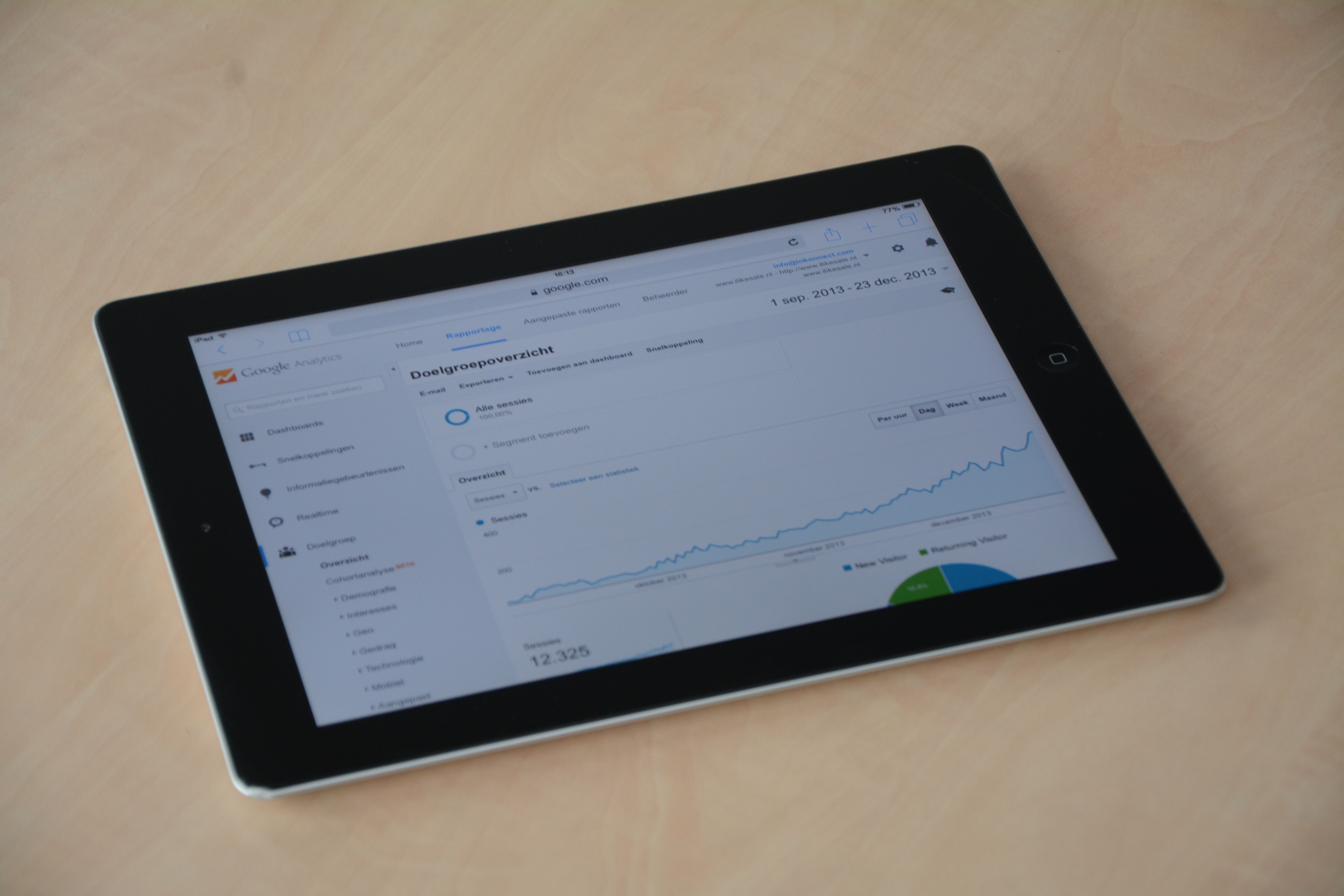
Used properly, these tools support broader quality checks alongside Google Search Console, Google Analytics 4, page speed tools, schema checks, and content reviews. They are not a shortcut to ranking improvements, but they can help teams spot content that needs refinement.
Why AI content detection matters in content SEO audits
Search engines do not reward content simply because it was written by a human or generated by AI. They reward content that is helpful, accurate, well structured, and matched to user intent. That means the real audit question is not “Was AI used?” but “Does this page genuinely meet the searcher’s need?”
AI content detector tools can help identify pages that may need more human editing, stronger examples, or clearer subject expertise. This is useful for blogs, ecommerce category pages, service pages, and educational articles where repetition or vague phrasing can weaken performance.
They are also helpful when reviewing large content libraries. If a site has many similar pages, a detector may help prioritise which ones deserve manual review first. For example, a blog archive could be checked against organic impressions in Search Console and engagement data in GA4 to decide where content improvements are most needed.
How to use AI content detectors in an SEO audit workflow
Start by exporting the pages you want to review. Prioritise pages with declining clicks, low engagement, thin content, or poor alignment with search intent. Then test the text with a detector, but do not rely on the score alone.
Look for patterns. Is the language too polished but empty? Does it repeat the same ideas without depth? Does it lack practical examples, internal links, or topical detail? Those are often more important than any AI probability score.
Next, compare the content against live SEO data. Search Console can show queries and page performance, while GA4 can indicate whether users stay, scroll, or leave quickly. If a page attracts impressions but weak clicks, the title and meta description may need work. If clicks are fine but engagement is poor, the content itself may need editing.
You can also combine detector output with crawl data. A website crawler may reveal duplicate headings, orphaned pages, missing metadata, or inconsistent content structure. This broader view helps you avoid editing only the writing style while missing technical issues that affect search visibility.
What to check beyond the detector score
A good content SEO audit looks beyond AI detection and asks practical questions about usefulness and quality. Is the page answering the right intent? Does it give a clear next step? Is the writing specific enough for the topic and audience?
Check whether the page includes the right supporting elements. That may include FAQ sections, internal links, schema markup, images with helpful alt text, and concise headings. For WordPress users, SEO plugins such as Yoast or Rank Math can support on-page optimisation, but they still need human review for accuracy and tone.
Also review page experience. A strong article can still underperform if the site is slow or hard to use. PageSpeed Insights and Core Web Vitals tools can help identify issues that affect loading and interaction. For trusted performance testing, Google’s PageSpeed Insights is a useful starting point.
Choosing the right tools for a balanced SEO audit
AI content detector tools should be used alongside other SEO tools rather than in isolation. For keyword research, tools such as Google Keyword Planner, Ahrefs, Semrush, or free keyword tools can help you confirm search intent and topic coverage. For technical checks, crawler tools and schema generators can reveal structural problems that content review alone will miss.
If your site is smaller, free SEO tools may be enough to support a practical audit. If you manage a larger site or report to clients, paid tools can be worth considering for better workflow, more data, and cleaner reporting. The right choice depends on your budget, site size, and how often you need to audit content.
If you want a structured starting point, a free website SEO audit can help you see how content quality fits into the wider picture. Backlink Works also covers related SEO education that can support better decision-making without overcomplicating the process.
Common mistakes to avoid when using AI detectors
The biggest mistake is treating an AI score as a ranking signal. It is not. Search performance depends on many factors, including intent match, internal linking, topical authority, and technical health.
Another mistake is rewriting content just to make it “look human” while removing clarity. Good SEO content should be useful, well organised, and easy to read. Avoid adding unnecessary fluff, changing terminology without reason, or hiding useful information behind vague language.
It is also unwise to audit content in isolation. A page may seem fine in a detector but still underperform because the title is weak, the page loads slowly, or the site architecture makes it hard for search engines to understand relevance. SEO audits work best when content, technical, and analytics data are reviewed together.
Conclusion
AI content detector tools can be a helpful part of content SEO audits when used as one signal among many. They are most useful for spotting pages that may need stronger editorial review, more originality, or better alignment with search intent.
The best SEO outcomes come from combining these tools with search data, technical audits, keyword research, and real editorial judgement. Tools can guide the process, but strategy, quality, and consistency still do the work.
Frequently Asked Questions
Can AI content detector tools tell if a page will rank well?
No. They can only suggest whether text may appear machine-like or human-like. Ranking depends on many other SEO factors.
Should I remove AI-assisted content from my site?
Not necessarily. AI-assisted content can be useful if it is accurate, edited properly, and genuinely helpful to readers.
What should I combine AI detection with in an SEO audit?
Use it alongside Google Search Console, GA4, crawl data, keyword research, and page speed checks for a fuller view.
Are free SEO tools enough for content audits?
They can be, especially for smaller sites. Larger sites or agency workflows may need paid tools for deeper data and reporting.
- Sponsored Ad -





