
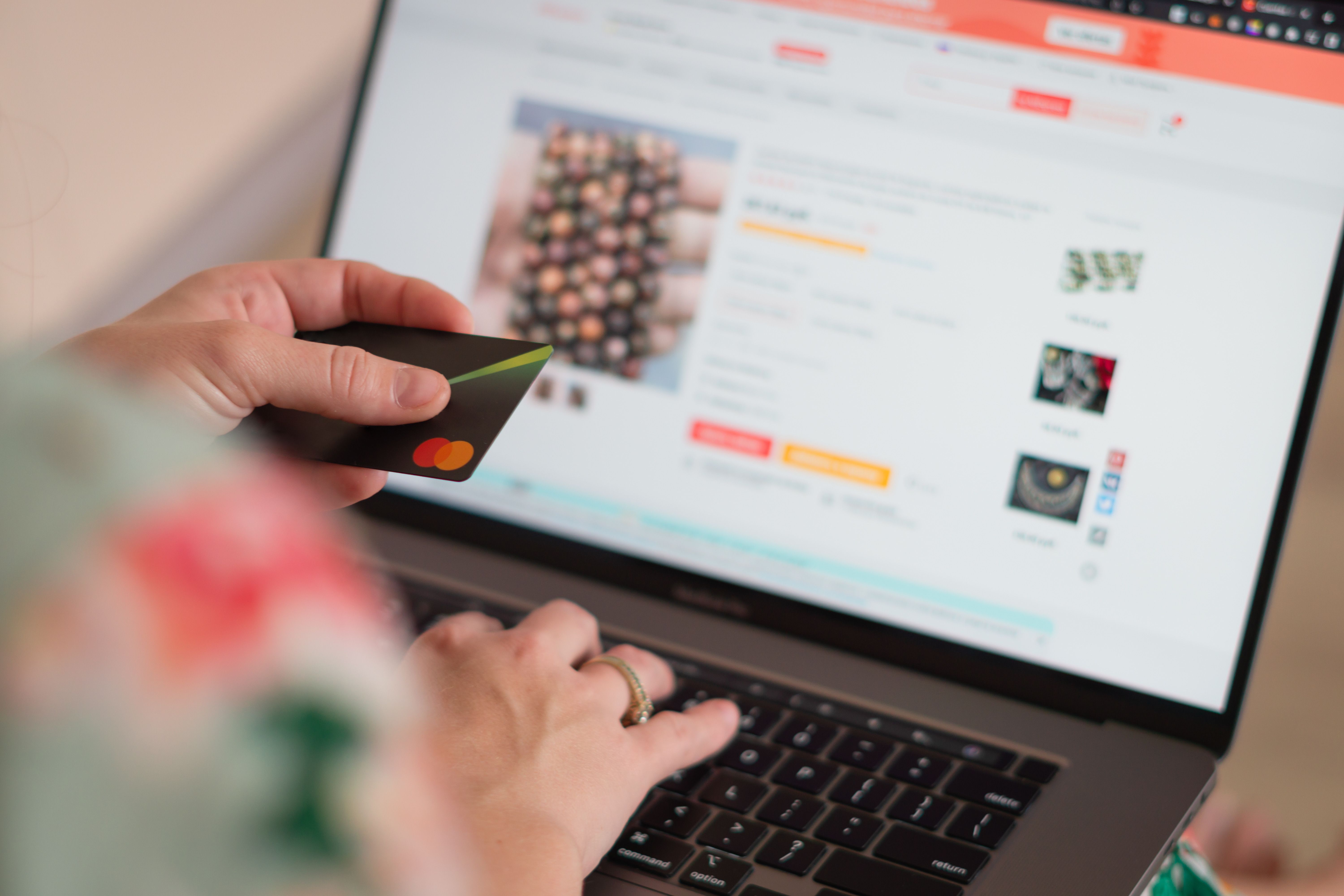
Ecommerce click tracking helps you see how shoppers interact with your store before they buy. By tracking clicks on product cards, category filters, internal links, size guides, reviews, add-to-basket buttons and navigation elements, you can uncover which parts of a page are helping users move towards a product or which parts are causing friction.
For ecommerce SEO, that matters because rankings and organic traffic are only part of the picture. Search visibility, user experience, page speed, mobile usability and conversion performance all work together. Click data can show whether your online store is making it easy for search users to find the right category, product or supporting content. If you want a broader SEO health check alongside click tracking, a free website SEO audit can help highlight technical and content issues that affect organic growth.
What ecommerce click tracking tells you
Click tracking records where users click on your store and how they move between pages. This can include product image clicks, variant selector clicks, breadcrumb clicks, related product clicks, menu interactions, and filter usage on category pages. In ecommerce SEO, these signals are useful because they show how well your page structure supports discovery and navigation.
For example, if shoppers click a category filter repeatedly but still leave without reaching product detail pages, that may suggest poor category organisation, weak faceted navigation, or confusing merchandising. If product page visitors click reviews, delivery information or sizing content before adding to basket, it may show which content supports trust and decision-making. That information can inform product page SEO, content strategy and UX improvements.
Why click tracking matters for SEO insights
Traditional SEO metrics such as rankings and impressions do not always explain how users behave after landing on your store. Click tracking adds context. It helps you understand which pages attract attention, which elements are ignored, and where users lose momentum. That is useful for online store SEO because a page can rank well but still fail to guide users to the next step.
Click data can also support category page SEO and ecommerce internal linking. If important category links are buried too low on the page, or if users do not engage with related collections, you may need to improve the structure or anchor text. In the same way, if mobile users struggle to tap key elements, your mobile ecommerce SEO and Core Web Vitals work may need attention. For a clearer view of how search engines interpret helpful pages, Google’s SEO Starter Guide is a useful reference.
What to track on product and category pages
Start with the pages that matter most for organic traffic growth: category pages, product pages, blog guides and key landing pages. On category pages, track clicks on subcategories, sorting tools, filters, breadcrumb trails and featured products. This helps you see whether the page structure supports ecommerce keyword research and search intent.
On product pages, track clicks on image galleries, colour swatches, size selectors, FAQs, reviews, shipping details and trust badges. If users repeatedly click on unclear product descriptions or expand content blocks, that may be a sign that the copy needs rewriting. Well-structured product descriptions should answer the questions shoppers already have while still remaining natural and unique.
It is also worth tracking out-of-stock product behaviour. If users continue to click unavailable products from search or category pages, you may need better alternatives, redirect logic or content updates so the page still supports SEO value instead of creating dead ends.
How to connect click tracking with ecommerce SEO decisions
Click tracking becomes valuable when you use it to make SEO decisions. If a category page gets traffic but users mostly click back to the parent collection, the page may need stronger internal linking, clearer sorting, or better category copy. If clicks cluster around a product comparison block, that can inform your ecommerce content strategy and help you build more useful supporting content.
For Shopify SEO and WooCommerce SEO, the process is similar. Use analytics tools and event tracking to measure how visitors move across collections, product templates and blog articles. Then compare click patterns with search data in Search Console, on-page engagement data and conversion outcomes. This does not guarantee better rankings or sales, but it does help you prioritise changes based on real user behaviour rather than guesswork.
Useful ways to apply the data
Use click insights to refine faceted navigation, reduce duplicate product content issues, improve product page hierarchy, and strengthen internal links between supporting content and commercial pages. If users rarely click a key category from the homepage, it may need a more visible position or stronger anchor text. If visitors often click a size guide before purchasing, move that content higher on the page and make it easier to access on mobile.
Tracking can also help with ecommerce website speed and user experience. If a high-value element gets few clicks on mobile, it may be hidden below the fold or slowed by layout shifts. Testing page behaviour alongside performance reports from PageSpeed Insights can help you see whether technical issues are affecting interaction.
Best practices for cleaner ecommerce click tracking
Keep your tracking setup simple and focused on meaningful interactions. Avoid measuring every tiny click if it does not help with decisions. Instead, prioritise actions linked to organic visibility, navigation and conversion: category clicks, filter use, product image clicks, CTA clicks, review opens and internal link engagement.
Make sure your events are consistent across templates so you can compare product pages and category pages properly. If your store uses duplicate templates, inconsistent labels or heavy JavaScript, your data may be harder to interpret. This is especially important for larger ecommerce sites with many products, brands or variants.
When you review the data, look for patterns rather than one-off behaviour. Click tracking works best when combined with page quality, technical SEO, crawlability, indexing, schema markup and content improvements. It is one part of a wider optimisation process, not a replacement for solid SEO fundamentals.
Conclusion
Ecommerce click tracking gives you a clearer picture of how shoppers interact with your store and where your SEO strategy is helping or falling short. Used well, it can improve product page SEO, category page optimisation, mobile usability, internal linking, site structure and conversion-focused design. It also helps you make better decisions about content, technical fixes and user experience.
For Backlink Works Insights, the main takeaway is simple: track clicks that reveal intent, then use those insights to improve the paths users take from search result to product discovery. Over time, that can support stronger organic traffic growth, but results will always depend on site quality, competition, demand, technical setup and consistent optimisation.
Frequently Asked Questions
What is ecommerce click tracking?
It is the process of recording user clicks on important store elements such as product cards, filters, CTAs, menus and internal links.
How does click tracking help ecommerce SEO?
It shows how visitors interact with your pages, which helps you improve navigation, content structure, internal linking and user experience.
Should I track clicks on product and category pages?
Yes. Those pages usually carry the most search value, so click data can reveal whether users are finding products and moving through your store easily.
Does click tracking improve conversions automatically?
No. It provides insights you can use to improve the site, but conversion results depend on traffic quality, pricing, trust signals, speed and testing.
- Sponsored Ad -





