
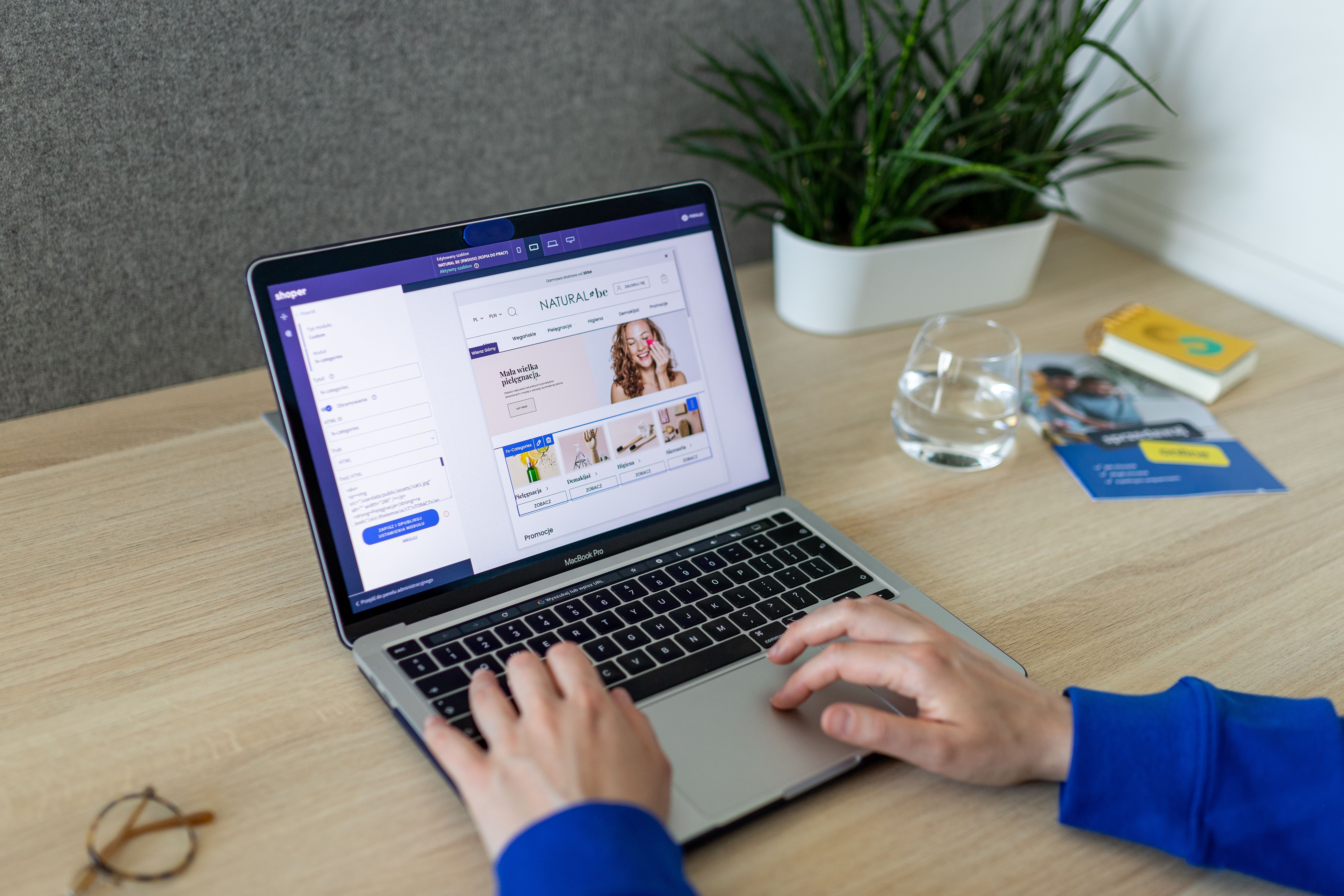
Website accessibility is often discussed as a compliance issue, but it is also a practical website design decision. When a site is easier for more people to use, it usually becomes easier to navigate, understand, and complete actions on.
That matters for user experience, conversions, trust, and SEO. Accessible design supports clearer page layouts, stronger content structure, better mobile usability, and better performance across devices. It does not guarantee results, but it can remove friction that may otherwise stop visitors from reading, enquiring, or buying.
What Website Accessibility Means in Practice
Website accessibility means designing and building pages so people can use them with different devices, abilities, and browsing contexts. This includes visitors using screen readers, keyboard navigation, voice input, zoom tools, smaller screens, slower connections, or temporary impairments such as a broken arm or bright light glare.
In website design terms, accessibility overlaps with usability. Clear headings, readable text, sensible colour contrast, visible focus states, descriptive link text, and predictable navigation help many users, not only those with specific access needs.
For SEO-friendly website design, this also supports crawlability and content clarity. Search engines do not “experience” a page like a person does, but they do rely on structured content, semantic HTML, and logical page layout to understand what a page is about.
Why Accessibility Improves UX
Good UX reduces effort. Accessible design often improves UX because it makes the interface more consistent and easier to scan. A user should not have to guess where to click, which section comes next, or whether a button is truly a button.
Some of the most useful improvements are straightforward:
- Use headings in a logical order so content is easy to scan.
- Keep navigation simple and predictable.
- Make buttons and form fields large enough to tap comfortably on mobile.
- Ensure text has enough contrast against backgrounds.
- Write meaningful labels and link text instead of vague phrases like “click here”.
These choices help all visitors, especially on mobile-first design projects where space is limited and attention is short. They also support stronger content layout on business websites, service pages, and landing pages.
If you are reviewing how accessibility fits into wider site improvements, a free website SEO audit can be a useful starting point for identifying structural and usability issues.
How Accessibility Can Support Conversions
Conversion-focused design is not just about persuasive copy or prominent calls to action. It also depends on whether visitors can comfortably complete key tasks. Accessible pages can reduce friction in forms, checkouts, booking flows, and enquiry journeys.
For example, a form that is labelled clearly, works well with keyboard navigation, and explains errors in plain language is more likely to feel trustworthy and manageable. Likewise, an ecommerce product page with readable pricing, clear product details, and obvious add-to-cart controls can support decision-making without pressure.
Results will still depend on traffic quality, offer strength, trust signals, page clarity, and testing. Accessibility is one part of a broader conversion strategy, but it often removes avoidable barriers that affect engagement.
This is especially relevant for WordPress website design and ecommerce website design, where themes, plugins, templates, and page builders can either help or hinder usability. The best approach is to choose tools that support clean structure rather than cluttering the interface.
Accessibility, Trust, and Brand Credibility
Visitors often judge trust quickly. A site that is hard to use can feel unfinished, careless, or frustrating, even if the business is credible. On the other hand, a site with clear hierarchy, accessible forms, and consistent navigation tends to feel more professional.
Trust is built through small signals across the page: readable typography, stable layout, well-placed contact details, clear policies, sensible internal linking, and no misleading interface patterns. Accessible design encourages transparency because it asks designers to make content understandable, not hidden.
That is useful for service businesses, consultants, startups, and product brands alike. A well-structured site makes it easier for visitors to find pricing, product details, service descriptions, and support information without unnecessary effort.
Accessibility also supports a more honest user experience. It discourages deceptive design tactics such as hidden content, fake urgency, or confusing buttons that may create short-term clicks but undermine long-term trust.
Design Choices That Improve Accessibility and Performance
Accessibility should be considered alongside website performance, Core Web Vitals, and responsive web design. A site that is technically accessible but slow, cluttered, or inconsistent on mobile may still frustrate visitors.
Useful design and development practices include:
- Using semantic HTML so screen readers and search engines can interpret content correctly.
- Keeping page layouts simple so the main message is obvious.
- Compressing images and avoiding unnecessary scripts that slow loading.
- Ensuring navigation works well on smaller screens and touch devices.
- Testing colour contrast and font sizes across breakpoints.
- Checking that product pages, service pages, and landing pages have one clear primary action.
For performance and UX testing, tools such as PageSpeed Insights can help identify speed and Core Web Vitals issues that may affect both accessibility and usability.
When accessibility and performance are improved together, the site is often easier to maintain as well. That matters for agencies, bloggers, developers, and business owners who need their pages to stay consistent as content grows.
Practical Best Practices for Accessible Website Design
A good accessibility approach does not require redesigning everything at once. Start with high-impact areas that affect daily user journeys.
Checklist for practical improvement:
- Make sure headings follow a logical structure.
- Check colour contrast for text, buttons, and links.
- Add descriptive alt text where images provide meaning.
- Keep forms short and label every field clearly.
- Ensure interactive elements can be used with a keyboard.
- Use clear navigation labels that match user expectations.
- Review page layout on mobile and tablet screens.
- Avoid overcrowding pages with too many competing calls to action.
These improvements are relevant across content marketing pages, homepages, ecommerce categories, service pages, and blog articles. They also make internal linking easier to understand, which helps visitors move between related content naturally.
Backlink Works publishes practical SEO and website growth resources for teams that want to improve visibility through stronger design foundations and better content structure.
Conclusion
Website accessibility improves UX because it makes pages easier to read, navigate, and use. It can support conversions by reducing friction in journeys such as enquiries, sign-ups, and purchases. It can also build trust by making a site feel clearer, more professional, and more considerate of users.
For website owners, the best approach is to treat accessibility as part of overall website design, not as a separate task. When it is combined with responsive design, mobile-first thinking, strong content layout, good internal linking, and fast performance, it supports a site that is more useful for people and easier to work with for search engines.
Frequently Asked Questions
Does website accessibility help SEO?
Yes, indirectly. Accessible design often improves structure, mobile usability, crawlability, and content clarity, all of which support SEO-friendly website design.
Is accessibility only important for large organisations?
No. Small businesses, ecommerce stores, service providers, and bloggers all benefit from clearer, easier-to-use websites.
Can an accessible website still need conversion optimisation?
Yes. Accessibility helps reduce friction, but conversions still depend on offer quality, trust signals, traffic intent, copy, and testing.
What should I check first on my website?
Start with headings, contrast, mobile layout, form labels, navigation, and page speed. These are common areas where small fixes can improve usability quickly.
- Sponsored Ad -





