
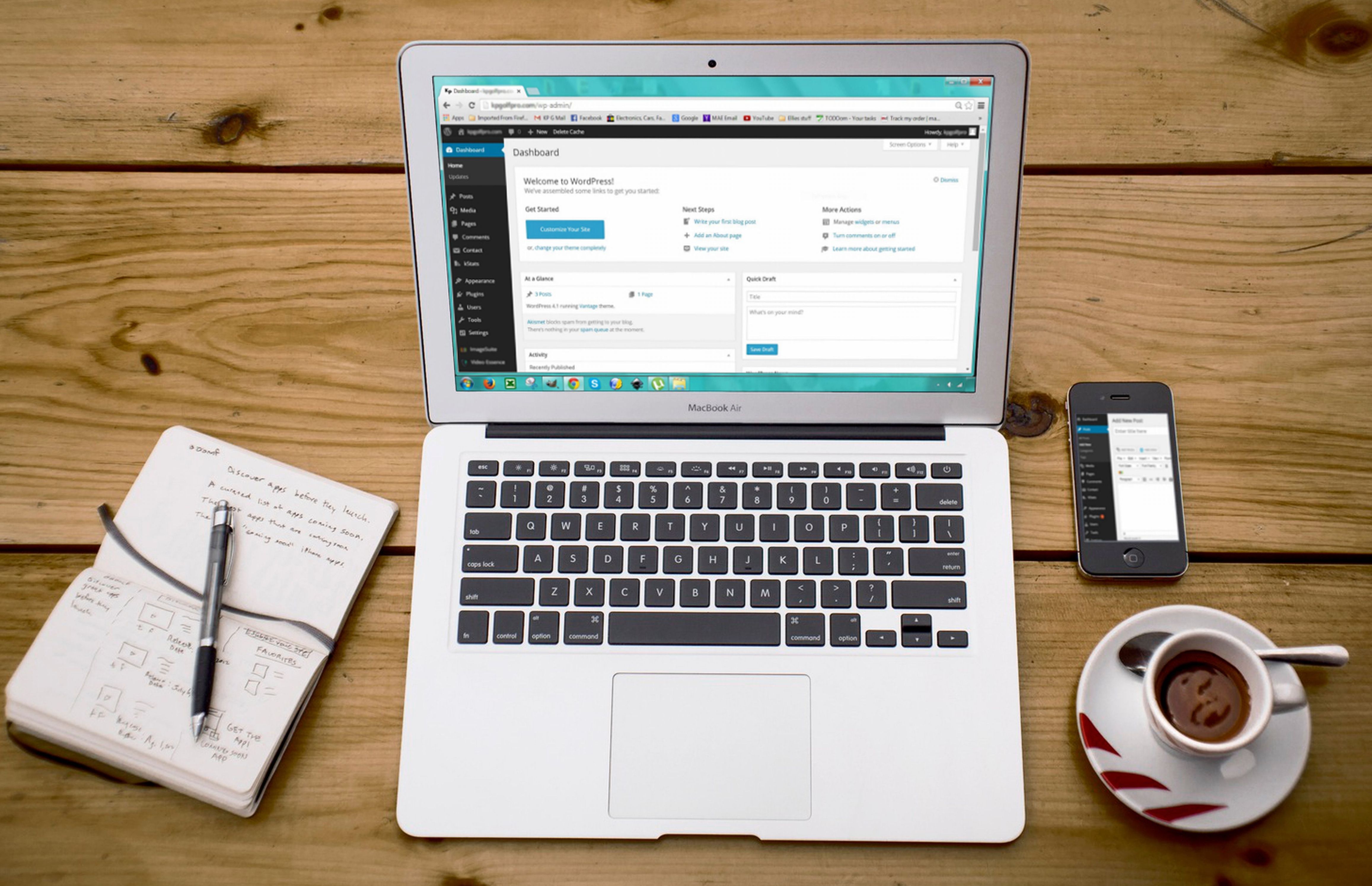
WordPress SEO Without Plugin: A Practical On-Page Optimisation Guide is useful for site owners who want more control over their pages without relying on a large SEO plugin for every task. You can still improve how search engines understand your content by working on titles, headings, URLs, internal links, images, and site structure.
This approach does not replace good content, technical maintenance, or careful measurement. WordPress can be SEO-friendly, but it still needs sensible setup, regular checks, and a clear strategy that suits the website’s goals.
Start with a solid WordPress SEO setup
Before changing content or metadata, check the basics. In WordPress, the Reading settings control whether your site is visible to search engines, while Permalinks affect how page addresses are structured. A clean, consistent URL format is easier for users to read and often simpler to manage over time. WordPress’s own Permalinks settings guide explains the main options and the risks of changing URLs on an established site.
It also helps to confirm that your chosen theme, plugins, and hosting setup do not create avoidable issues. Themes can affect heading structure, page templates, image loading, and mobile layout. Plugins can add useful functionality, but they can also introduce duplicate features if several tools try to manage the same SEO element. In most cases, one primary SEO plugin is enough for titles, meta descriptions, canonicals, and sitemaps.
On-page SEO without plugin dependence
On-page SEO is about making each page clear, useful, and easy to interpret. Start with the title tag, which appears in search results and browser tabs. It should describe the page accurately and match search intent. A meta description does not directly guarantee rankings, but it can help searchers understand what the page offers.
Headings should organise the content logically. Use one main topic per page, then break the information into smaller sections with descriptive subheadings. Avoid forcing exact phrases into every heading. Instead, write naturally and make the page genuinely helpful. This improves readability for people and gives crawlers clearer context.
Internal links matter too. They help visitors move between related pages and help crawlers discover content that may not be obvious from the main navigation. Use descriptive anchor text, not repetitive keyword phrases. A page that seems “orphaned” often needs a relevant contextual link from another article rather than a generic listing somewhere on the site.
What SEO plugins can help with, and what they cannot
SEO plugins such as Yoast SEO, Rank Math, All in One SEO, and SEOPress can help manage common tasks more efficiently. Depending on the plugin and version, they may support title templates, meta fields, XML sitemaps, canonical tags, structured data options, and editorial checks. Their interfaces and feature names can change, so it is sensible to review current documentation before relying on a specific setting.
These tools are best treated as workflow aids rather than ranking shortcuts. A plugin score or colour indicator is only guidance. It can help you spot missing metadata, weak headings, or readability issues, but it does not guarantee better visibility in search. Also, websites generally should not run multiple full SEO plugins at the same time, because that can lead to duplicate metadata, conflicting canonicals, or duplicate schema.
If you are comparing plugins, choose based on content workflow, compatibility, maintenance, support, and your team’s technical comfort. A blog, a service site, and a large WooCommerce store may need different approaches. The right choice depends on the site, not on a universal “best” option.
Technical SEO essentials: sitemaps, robots.txt, canonicals, and redirects
Technical SEO helps search engines crawl and interpret your site properly. Crawling means discovering pages; indexing means storing them so they can appear in search results. A page can be crawlable yet still not indexed, especially if it is thin, duplicated, blocked, canonicalised elsewhere, or marked noindex.
XML sitemaps help search engines discover preferred URLs, but they do not guarantee indexing. WordPress core or an SEO plugin may generate a sitemap. Keep it focused on useful, canonical pages and avoid including redirects, noindex pages, staging URLs, or low-value archives without a clear reason. For crawl and indexing guidance, Google’s crawling and indexing overview is a reliable reference.
Robots.txt controls crawler access, but it does not remove a page from the index by itself. If you block a page that already exists in search, crawlers may not see a noindex directive on that page. Canonical tags suggest the preferred version among similar URLs, but they are signals rather than commands. Redirects should map old URLs to the closest relevant replacements, ideally with permanent redirects where appropriate. Avoid redirect chains, loops, and mass redirecting everything to the homepage.
Content quality, image SEO, and page experience
Good content still does the heavy lifting. Each page should solve a specific problem, answer a search query, or support a business goal. Avoid repetitive archives, duplicated descriptions, and filler text. If you prune older content, review traffic, links, relevance, and possible consolidation opportunities before deleting anything.
Image SEO supports both accessibility and performance. Use descriptive filenames, meaningful alt text where appropriate, and sensible image dimensions. Alt text should describe the image, not force keywords into the sentence. Compress large files and use responsive delivery where possible, because heavy media can slow pages and affect user experience. This is especially important for blogs, portfolios, and product pages with many images.
Core Web Vitals focus on real user experience. Largest Contentful Paint reflects loading performance for the main visible content, Interaction to Next Paint reflects responsiveness, and Cumulative Layout Shift measures unexpected movement on the page. These metrics are useful, but they are only part of the picture. Hosting, caching, theme quality, image weight, fonts, scripts, and page builders can all affect speed. If you make major changes, test them on staging first and avoid chasing a perfect score at the expense of usability.
Special cases: WooCommerce, local SEO, multilingual sites, and migrations
Some WordPress sites need extra care. WooCommerce stores should think about product pages, category pages, filters, product schema, stock states, and mobile usability. Faceted navigation can create many URL combinations, so not every filtered page should be indexed. For product-focused guidance, WooCommerce’s own SEO documentation for online stores is a useful starting point.
Local SEO works best when business details are consistent and genuinely helpful. Service pages and location pages should include real information, not thin copies with only the city name changed. Multilingual sites need clear language targeting, careful internal linking, and well-reviewed translations. For migrations or redesigns, plan URL mapping, backups, canonicals, redirects, internal links, and sitemap checks before launch. Search performance can fluctuate after larger changes, so monitor the site rather than assuming everything will stay the same.
If you use Google Search Console and Google Analytics 4, remember they measure different things. Search Console helps with crawling, indexing, and search performance data, while GA4 focuses on user behaviour and conversions. Tracking both gives a fuller picture than relying on rankings alone. For a broader site review, a structured audit from Backlink Works’ free website SEO audit can help you spot technical and on-page issues that need attention.
Conclusion
WordPress SEO without a plugin is possible for many tasks, but it still requires planning, testing, and regular maintenance. The strongest results usually come from a combination of clear content, sensible site structure, stable technical settings, and careful monitoring. Plugins can help, but they should support your process rather than replace it.
If you manage a WordPress site, focus first on the pages that matter most: content quality, search intent, internal linking, metadata, crawlability, and page experience. Then review technical details such as sitemaps, robots.txt, canonicals, redirects, image handling, and mobile usability. That practical approach is easier to maintain and usually more valuable than chasing plugin scores.
Frequently Asked Questions
Can I do WordPress SEO without installing an SEO plugin?
Yes, you can manage many on-page and technical basics manually, especially on smaller sites. However, a plugin can still save time for tasks such as metadata, sitemaps, and canonicals.
Does a green score in an SEO plugin mean my page is optimised?
No. Plugin scores are guidance, not proof of performance. They can highlight useful improvements, but they do not confirm rankings, indexing, or better visibility.
Should I use more than one SEO plugin on WordPress?
Usually not. Running multiple full SEO plugins can create duplicate titles, conflicting canonical tags, and sitemap problems. Choose one primary tool if you need one.
What should I check after changing permalinks or moving a site?
Check redirects, canonicals, internal links, XML sitemaps, robots settings, and important landing pages. Then review Search Console and analytics to make sure the new setup is working as intended.
- Sponsored Ad -





